

A clean and organized home does not require hours of cleaning every day. The real difference comes from small habits that prevent mess from building up in the first place. Putting things away after use, wiping surfaces before stains settle, and handling laundry regularly can save time and make everyday life feel less stressful. These simple actions often work better than waiting until the entire house needs a major cleanup.
The most effective housekeeping tips clean home routines are built around consistency, realistic expectations, and the way your household actually functions. A busy family may need a different schedule from someone living alone, while homes with pets or young children often require more frequent attention to certain areas. Instead of following a rigid cleaning timetable, focus on habits that fit your daily responsibilities and keep your living space comfortable.
Build a Daily Cleaning Routine That Prevents Mess
A successful housekeeping routine begins with a few repeatable actions that keep clutter and dirt under control. Rather than cleaning every room from top to bottom each day, identify the tasks that make the biggest difference to how your home looks and feels. Making beds, clearing kitchen counters, wiping frequently used surfaces, and returning misplaced items to their proper locations can prevent small problems from becoming larger chores.
The key is to connect cleaning with activities you already perform. After breakfast, put dishes in the dishwasher or wash them immediately. Before leaving a room, check whether anything needs to be returned to its usual place. After preparing dinner, wipe the counters and clean visible spills before they dry. These habits require little extra planning because they fit naturally into your existing routine.
Timing also matters. A short cleaning session in the morning can make the home feel ready for the day, while a brief evening reset helps prevent clutter from carrying over into tomorrow. You do not need to clean continuously. Even ten to fifteen minutes of focused attention can make a noticeable difference when repeated consistently.
However, avoid turning daily cleaning into a demanding checklist that leaves you feeling behind. Some days will be busier than others, and certain tasks can wait. Prioritize hygiene, food preparation areas, and clutter that interferes with daily activities. Floors may need more attention after a rainy day, while dusting decorative shelves may be less urgent. A flexible routine is easier to maintain than a perfect schedule that does not match real life.
Establish Morning and Evening Reset Habits
Morning and evening resets create natural starting and stopping points for household chores. In the morning, open curtains, straighten bedding, put away overnight clutter, and check whether the kitchen needs attention. These small actions help rooms feel orderly without requiring a full cleaning session.
In the evening, focus on restoring the main living areas. Put remote controls back, collect cups, fold blankets, and return shoes or bags to their designated places. If you prepare lunch or breakfast ingredients ahead of time, make sure the kitchen counters are ready for the next day. A short reset can also reveal tasks that need attention before they become urgent.
Match Cleaning Frequency to Actual Household Needs
Not every task needs to happen daily. Kitchen counters may need wiping after every meal, while window cleaning can usually wait much longer. Bathrooms require regular attention, but the exact frequency depends on how many people use them and how quickly surfaces become dirty.
Observe how your home behaves over a typical week. If laundry piles up every three days, schedule smaller loads more frequently. If the entryway becomes cluttered every evening, create a specific place for shoes, bags, and keys. The most useful housekeeping tips clean home habits address the reasons mess keeps returning instead of repeatedly treating the same symptoms.
Keep Clutter Under Control With Practical Organization
Cleaning becomes easier when everything has a logical place. Clutter creates extra work because you must move objects before wiping surfaces, vacuuming floors, or finding the things you need. A well-organized home reduces these extra steps and makes daily maintenance more predictable.
Start with the areas that create the most frustration. Kitchen counters, entryway tables, bedside surfaces, and living room coffee tables often collect items because they are convenient places to drop things. Instead of repeatedly clearing these surfaces, decide what genuinely belongs there and relocate everything else. A small tray for keys or a basket for frequently used items can help contain everyday clutter.
Storage should support your habits rather than force you to change everything about how you live. If children regularly leave toys in the living room, a low storage basket may work better than a container kept in another room. If bags collect near the front door, install hooks or designate a shelf nearby. Convenient storage encourages people to put things away because the process takes little effort.
Avoid buying organizers before deciding what you need to store. Additional boxes and baskets can simply hide clutter instead of solving it. First remove broken, unused, or unnecessary items. Then measure the available space and choose storage that fits. Clear containers may help with supplies you need to identify quickly, while closed cabinets can reduce visual clutter in shared spaces.
Decluttering also requires realistic decisions about possessions. You do not need to discard sentimental items or create an almost empty home to stay organized. Instead, consider whether each item has a purpose, a suitable storage location, or genuine personal value. When storage becomes crowded, review what you own before adding more furniture or containers.
Make Kitchen and Bathroom Hygiene a Daily Priority
Kitchens and bathrooms deserve special attention because they are exposed to food residue, moisture, grease, and frequent contact. Small cleaning habits in these spaces can improve hygiene and prevent stubborn buildup. The goal is to handle everyday mess quickly while reserving deeper cleaning for a regular schedule.
In the kitchen, wipe counters after food preparation and clean spills before they harden. Wash cutting boards and utensils after use, and avoid leaving food residue in the sink overnight. Check the refrigerator regularly for expired food and wipe shelves when spills occur. These actions reduce unpleasant smells and make the kitchen easier to use.
Bathrooms benefit from similar consistency. Rinse toothpaste from the sink, remove visible water marks, and hang towels so they can dry properly. Moisture that remains trapped on surfaces or fabrics can encourage mildew, especially in poorly ventilated rooms. Use an exhaust fan when available, or open a window when conditions permit, to help remove excess humidity.
Cleaning products should match the surface and the type of dirt you are removing. A product designed for glass may not be suitable for natural stone, and abrasive tools can scratch delicate finishes. Always read the label, test unfamiliar products in an inconspicuous area, and allow disinfectants to remain on surfaces for the contact time stated on the packaging when disinfection is necessary.
Never mix cleaning chemicals, particularly bleach with ammonia or acidic cleaners, because dangerous gases can form. Keep products away from children and pets, and use appropriate ventilation. Good housekeeping is not only about making a room look clean. It also means protecting the people who use it.
Manage Laundry, Dust, and Floors Before They Become Overwhelming
Laundry, dust, and floor maintenance can consume a surprising amount of time when they are left until the mess becomes obvious. A more effective approach is to manage each task in smaller stages. Sorting clothes, starting a wash load, wiping dusty surfaces, or vacuuming a frequently used area can prevent an entire weekend from disappearing into household chores.
Create a Laundry System That Fits Your Week
Laundry becomes more manageable when dirty clothes have a clear destination and clean clothes are put away promptly. Use separate hampers if your household needs to divide light and dark clothing, or keep one central hamper if space is limited. The system should make sorting easier without adding unnecessary containers or complicated rules.
Choose a laundry rhythm that reflects the amount of clothing your household produces. A small household may manage with a few scheduled loads each week, while a larger family may benefit from running smaller loads more often. Follow garment care labels, avoid overloading the machine, and make sure clothes dry completely before storing them to prevent musty smells.
The final step matters as much as washing. Clean laundry left in baskets can become a new form of clutter. Fold or hang clothes while they are still easy to manage, and assign each family member a role when appropriate. If putting away a large load feels difficult, complete one category at a time, such as towels first and everyday clothing afterward.
Reduce Dust and Dirt With Consistent Floor Care
Dust collects on shelves, furniture, electronics, and other surfaces, while outdoor dirt often enters through shoes, pets, and open doors. Instead of waiting until every room looks dusty, focus on high use areas and surfaces that affect comfort or cleanliness most.
Dust from higher surfaces toward lower ones so that particles do not settle on areas you have already cleaned. A slightly damp microfiber cloth can capture dust effectively on many surfaces. Check manufacturer guidance before using moisture on wood, electronics, or delicate materials. Vacuum carpets and rugs regularly, and choose a suitable mop or cleaning method for your flooring type.
Entryways deserve special attention because they are a major route for dirt. A doormat outside and another inside can help catch debris, while a designated shoe area keeps outdoor footwear from spreading dirt through the home. In households with pets, regular brushing and vacuuming may be more useful than trying to remove every loose hair at once.
Use Time-Saving Cleaning Methods Without Sacrificing Results
Efficient cleaning depends on reducing wasted movement and choosing the right order for each task. Moving repeatedly between rooms, searching for supplies, or cleaning the same surface twice adds unnecessary work. A simple system can help you complete more in less time without rushing through important hygiene tasks.
One useful method is to clean from top to bottom. Dust ceiling fans or higher shelves before wiping lower furniture and cleaning floors. This prevents falling dust from settling on surfaces you have already finished. Similarly, allow cleaning products time to work according to their labels rather than scrubbing immediately or applying more product than necessary.
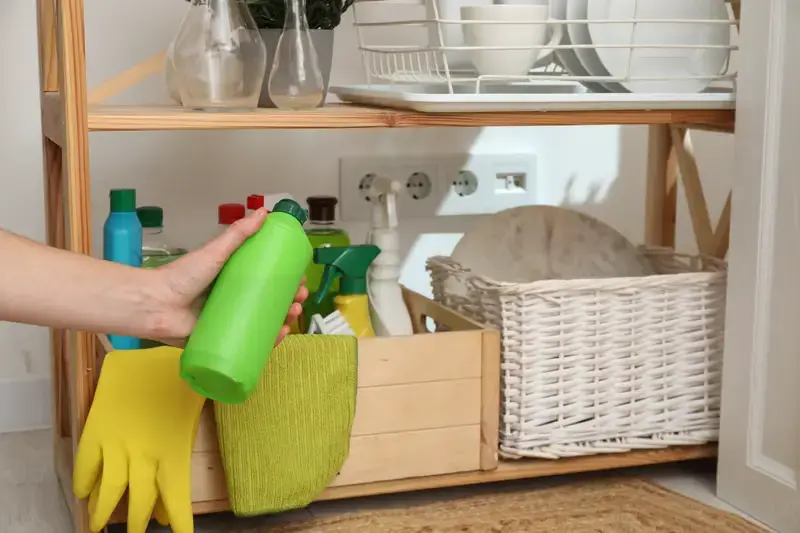
Keep frequently used supplies together in a portable caddy or a convenient storage area. A microfiber cloth, suitable surface cleaner, gloves, and a small brush may cover many routine tasks, although bathrooms and food preparation areas may require separate tools to avoid cross contamination. Store supplies safely and never leave them where children or pets can reach them.
Another helpful approach is to group similar tasks. Wipe several surfaces in one area before moving on, or collect rubbish from multiple rooms during one pass through the house. However, avoid carrying dirty bathroom tools into the kitchen or using the same cloth on unrelated surfaces without washing it. Efficiency should never come at the expense of hygiene.
Set a reasonable time limit for routine cleaning sessions. For example, spend ten minutes clearing the living room, then move to the kitchen rather than endlessly reorganizing one drawer. A timer helps you stay focused and encourages you to prioritize visible, useful results. If a task needs more time, schedule it for another session instead of allowing it to disrupt the whole day.
Maintain a Weekly Plan and Adapt It to Your Household
Daily habits keep the home under control, but some tasks require more attention than a quick reset can provide. Cleaning bathroom surfaces thoroughly, changing bed linen, wiping appliance interiors, and removing accumulated dust may fit better into a weekly routine. Spreading these jobs across several days prevents them from becoming one exhausting cleaning marathon.
Create a plan based on the way your home is used. A family with children may need frequent attention to toys, high touch surfaces, and floors. Someone who works from home may prioritize desk organization, rubbish removal, and dust around electronic equipment. Homes with pets may require more frequent vacuuming and washing of pet bedding. These differences make a personalized schedule more effective than following a generic list.
Your plan should also account for changing circumstances. Guests, illness, travel, busy workdays, and seasonal weather can all affect what needs attention. During a particularly demanding week, concentrate on essential tasks such as food safety, bathroom hygiene, dishes, rubbish, and clear walkways. Less urgent jobs can wait until you have more time.
Household members can share responsibility when expectations are clear. Rather than asking someone to help whenever a mess becomes frustrating, agree on specific tasks and when they should be completed. One person might handle dishes while another manages rubbish and another puts away shared items. Even children can participate in age appropriate tasks, such as returning toys to baskets or placing dirty clothes in a hamper.
Review the routine after a few weeks. If certain tasks are repeatedly missed, the schedule may be too demanding or inconvenient. Move them to a more practical time, reduce unnecessary steps, or change how supplies are stored. The best housekeeping tips clean home systems are not the strictest ones. They are the ones that make maintaining a clean and organized space easier for everyone.
Conclusion
Keeping a home clean and organized every day is less about working harder and more about preventing mess from accumulating. Simple resets, sensible storage, regular kitchen and bathroom care, manageable laundry habits, and focused cleaning sessions can make a substantial difference. When each task has a clear place in your routine, household maintenance becomes less stressful.
Start with the areas that create the most frustration and choose a few habits you can repeat consistently. Adjust the schedule to fit your household, share responsibilities where possible, and accept that some days will be messier than others. A comfortable home does not need to look perfect all the time. It needs routines that keep it hygienic, functional, and welcoming.
Frequently Asked Questions
1. How much time should I spend cleaning my home daily?
The time needed depends on your home’s size and household activity. A focused session of 15 to 30 minutes may handle routine tasks, while deeper cleaning can be scheduled separately during the week.
2. What should I clean every day to maintain a hygienic home?
Prioritize dishes, kitchen counters, food spills, bathroom mess, rubbish that may smell, and frequently touched surfaces when needed. Return misplaced items to their storage areas to prevent clutter from spreading.
3. How can I keep my home organized when I have a busy schedule?
Use short cleaning sessions, convenient storage, and simple routines connected to existing activities. Focus on essential tasks first, prepare supplies in advance, and divide household responsibilities rather than postponing everything until the weekend.