

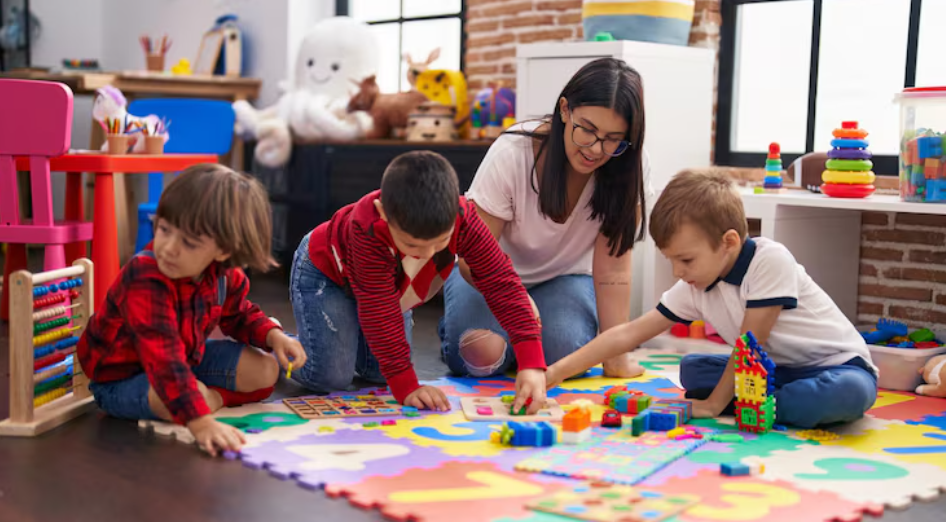
Children need a safe, caring, and supportive environment to learn new skills, build confidence, and develop healthy habits. During their early years, they learn through play, communication, and daily activities. Different services can support their physical, emotional, social, and educational development. From early childhood education to healthcare and recreational activities, these services help children build a strong foundation for their future.
Day Care Nursery: Supporting Early Learning and Development
A day care nursery provides a safe and welcoming place where young children can learn, play, and interact with others while their parents are at work or busy with other responsibilities. These nurseries offer age-appropriate activities that support early learning, including storytelling, drawing, singing, and simple educational games.
Children also learn important social skills in a nursery environment. They begin to share toys, take turns, follow routines, and communicate with other children. Caring staff members guide them through daily activities and help them feel comfortable in a group setting. Choosing a nursery with trained staff, clean facilities, and a suitable learning environment can help parents feel confident about their child’s care and development.
Child Care: Providing Safety and Emotional Support
Child care plays an important role in helping children feel safe, valued, and supported throughout their early years. It includes supervising children, meeting their daily needs, and providing opportunities for learning and play. Quality child care helps children develop trust, independence, and positive relationships with others.
Parents should look for caregivers who understand children’s needs and respond to them with patience and kindness. A supportive child care environment encourages children to express their feelings, explore their interests, and develop confidence. Regular communication between parents and caregivers also helps ensure that children receive consistent support at home and in their care setting.
Early Childhood Education: Building Essential Skills
Early childhood education helps children prepare for school by introducing them to basic concepts in an enjoyable way. Activities involving numbers, letters, shapes, colors, and simple problem-solving tasks encourage curiosity and improve thinking skills.
Teachers use stories, games, and hands-on activities to make learning interesting. These experiences help children develop language skills, attention, and creativity. Early education also teaches children how to follow instructions and work with others, making the transition to formal schooling easier.
Healthcare Services: Encouraging Healthy Growth
Regular healthcare is essential for children’s overall well-being. Routine medical checkups help parents monitor growth and identify possible health concerns. Healthcare professionals can also provide guidance about nutrition, sleep, vaccinations, and age-appropriate physical activity.
Good nutrition supports healthy development, while proper sleep helps children maintain energy and focus. Teaching children simple hygiene habits, such as washing their hands and brushing their teeth, can also protect their health and encourage independence.
Recreational Activities: Developing Confidence and Creativity
Recreational activities give children opportunities to discover their interests and develop new abilities. Sports, music, dance, art, and outdoor play encourage physical movement, imagination, and teamwork.
These activities also help children manage emotions, solve problems, and build friendships. Parents can support their development by choosing activities that match their children’s ages, interests, and abilities without placing too much pressure on them.
Conclusion
Children benefit from a combination of care, education, healthcare, and recreational opportunities. Services such as day care nurseries and child care provide support during important stages of development, while educational and recreational activities help children build essential life skills. By choosing suitable services and maintaining strong communication with caregivers, parents can create a supportive environment where children feel safe, learn confidently, and thrive as they grow.